Keeping roads and highways safe is critically important. In addition to autumn’s and winter’s perils, the increase of weather fluctuations and extreme weather events throughout the year pose further challenges to road decision-makers.
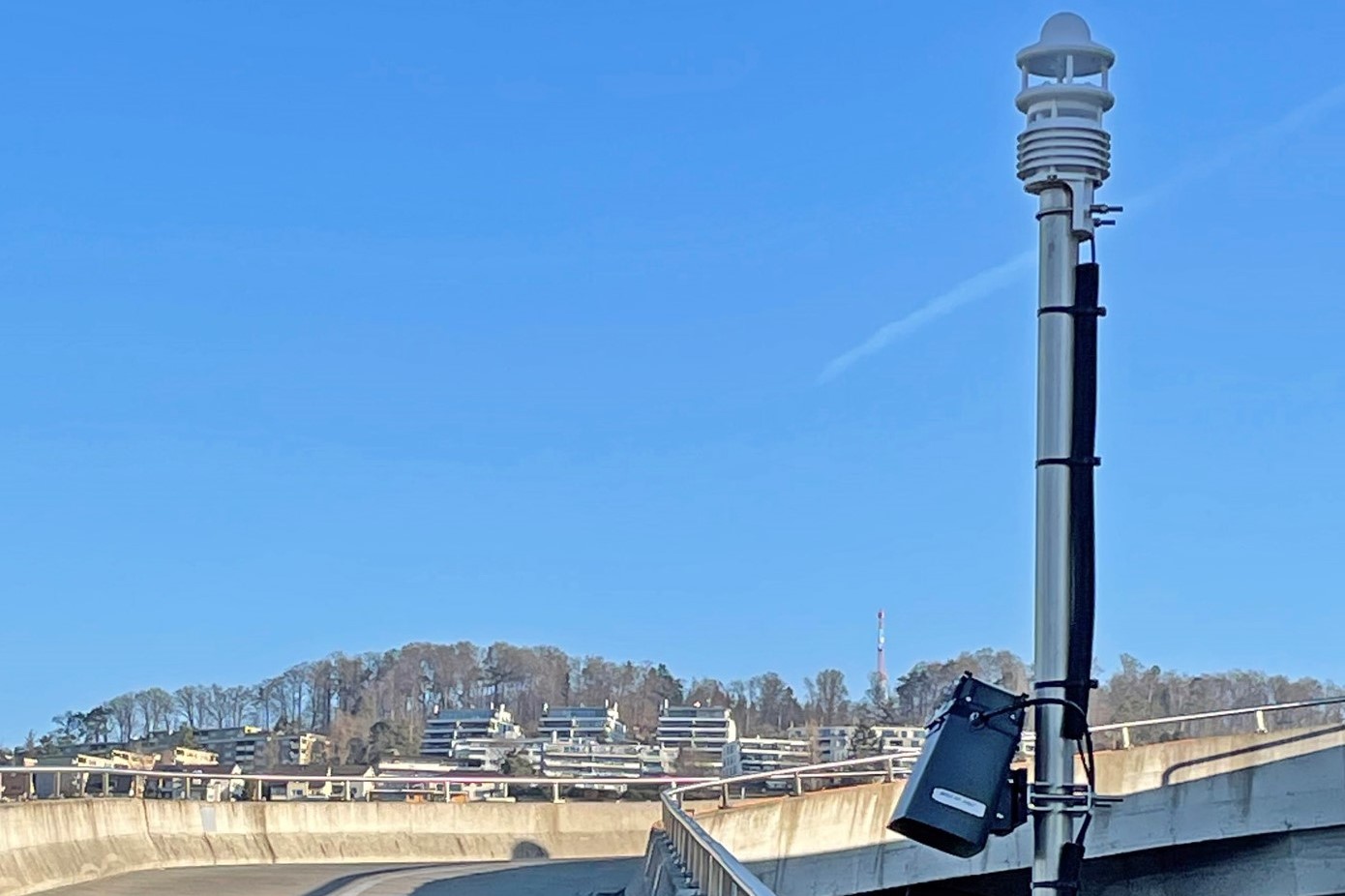
Ideally, a dense network of road weather monitoring stations reliably provides accurate, hyper-local data. Wherever that is not feasible, be it due to local characteristics or tight budgets, mobile sensing, and streamlined Road Weather Information Systems (RWIS) based on proven, versatile instrumentation by Lufft can fill the gaps and ensure availability of essential weather and road surface information.
Podcast: Get the most out of your sensors and infrastructure
In this episode, our road weather monitoring experts Brandon Ankney (USA) and Steven Marks (Germany) discuss various ways to monitor road surface conditions and atmospheric properties cost-effectively. Tune in and learn about:
- Essential atmospheric parameters for road weather monitoring
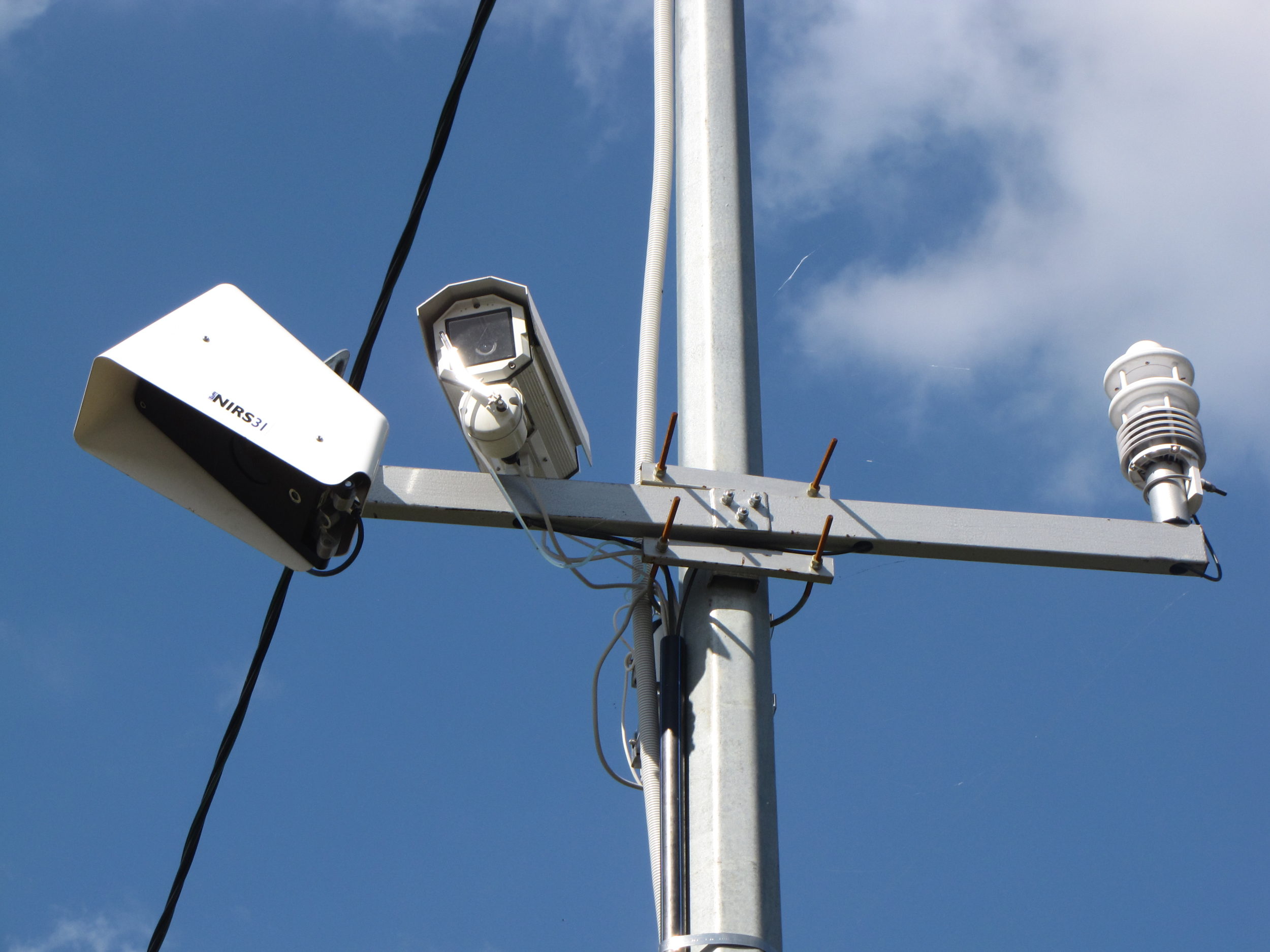
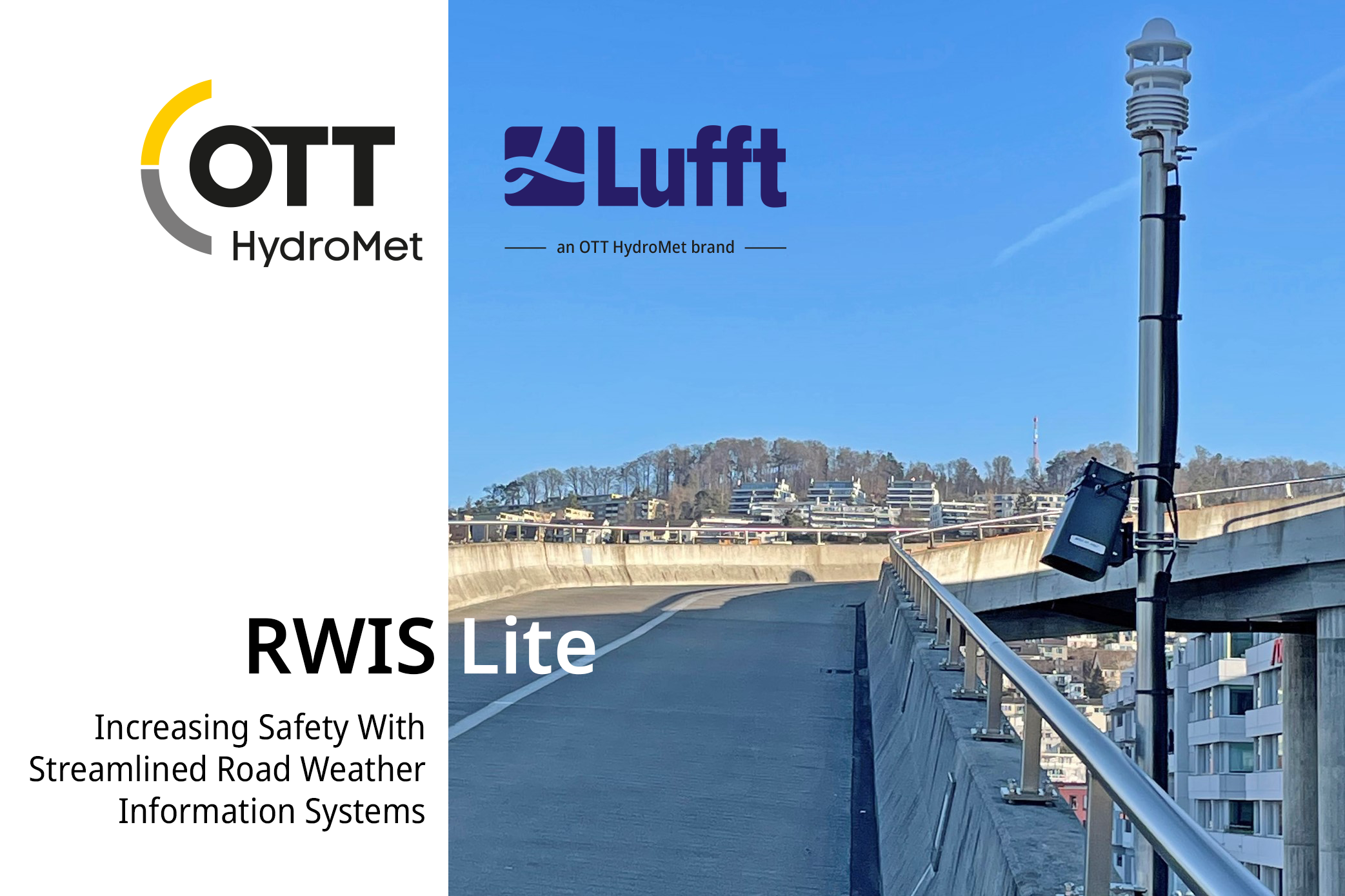
- Slim two-sensors Road Weather Information Systems (RWIS Lite)
- Retrofitting stations with new technology by utilizing existing infrastructure
Lufft is one of OTT HydroMet’s strong brands for professional environmental monitoring. Do you want to learn more about OTT HydroMet’s product portfolio and how it can help you to make roads safer? Our team is happy to help you.
Further reading
- Podcast: Ep.2| Intelligent Road Weather Monitoring
- Landing page: Lufft MARWIS Mobile Advanced Road Weather Information Sensor
- Product page: Lufft NIRS31 Non-Invasive Road Sensor
- Product page: Lufft WS600 Compact Weather Sensor
Image Credit: Max Latzer