VS2k visibility sensor in a research project for better headlamps in fog

The research from L-LAB in Lippstadt for better safety on roads

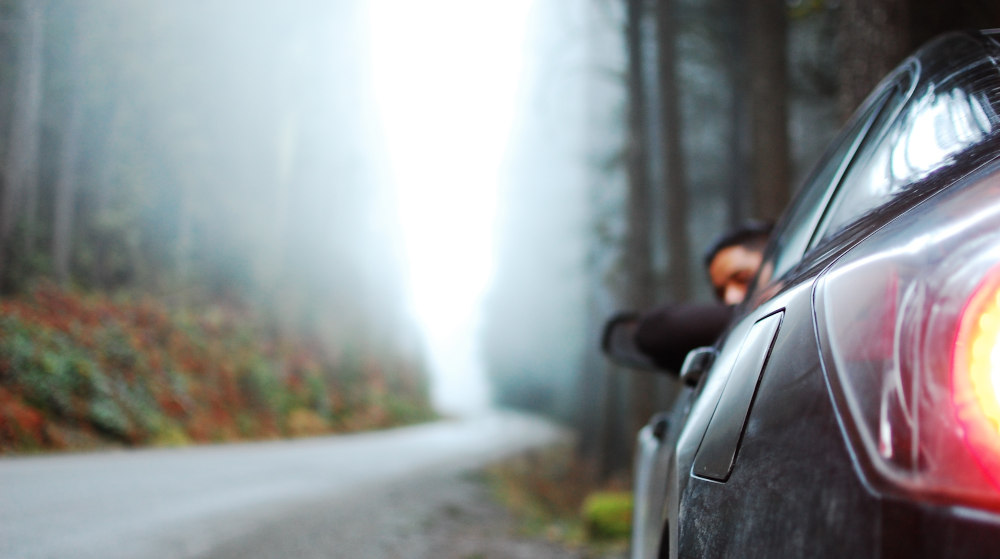
Driving at night is considerably more difficult due to the limited visibility. Adverse weather conditions, such as fog or heavy snowfall, can further impair the driver’s visibility and increase the risk of an accident. In this context, it is critical that limited visibility leads to particularly serious accidents.

VS2k Visibility sensor in fog situation in a snow-covered environment

In order to increase road safety, especially in night-time fog situations, the L-LAB in Lippstadt is researching how headlamps can be optimized for adverse weather conditions. The L-LAB lighting laboratory is a research facility for automotive lighting run by HELLA GmbH & Co. KGaA together with the University of Paderborn and the Hamm-Lippstadt University of Applied Sciences.

In the research project the VS2k visibility sensor from Lufft is used. The sensor measures visibility precisely up to 2000 m and is therefore ideal for applications in traffic research. High-resolution prototype headlights from HELLA GmbH & Co. KGaA allow a flexible adjustment of the light distribution. Thus, different parameters of the light distribution can be varied and their influence on the visibility can be tested. The visibility that is measured with the VS2k is included in the evaluation of the test data. The goal of the research project is to develop optimized light distributions to provide the driver with good visibility despite adverse weather conditions in the future.


High-resolution prototype headlamp in fog

You might also like these articles

An expansive solar panel array stretches across a desert landscape, with sand dunes shaping the horizon. Hazy sunlight filters through, casting a warm glow over the scene, illustrating the intersection of technology and the environment.

Soiling, Performance Risk, and Capacity Testing in Utility‑Scale Solar

Why Measurement Strategy Matters More Than Ever Executive Summary Soiling is a well‑established cause of energy loss in photovoltaic (PV) systems. Less widely recognized is its impact during capacity and performance...
Solar Energy
Reducing Pyranometer Error

Reducing Pyranometer Error: Why Irradiance Accuracy Starts in Plant Design, Siting & Construction

Accurate irradiance data is the backbone of  solar project performance, bankability, and long-term investor confidence For EPCs, it shapes everything from yield assessments and energy modeling to commissioning acceptance tests and contractual guarantees. But this...
Solar Energy
Bridgestone World Solar Challenge

Harnessing Sun and Wind: Solar Team Twente’s Journey to Second Place

When Solar Team Twente crossed the finish line of the 2025 Bridgestone World Solar Challenge in second place, they didn’t just prove the power of solar energy – they demonstrated...
Solar Energy