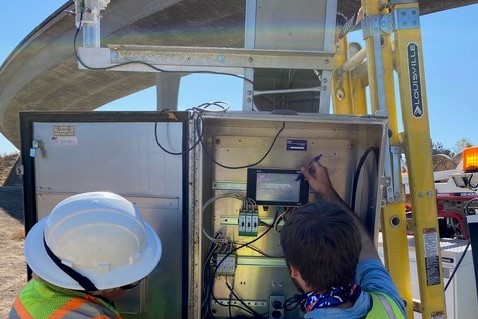
With winter approaching, road maintenance services prepare and check their equipment for the challenging season to come. Typical work consists of calibrating sensors and exchanging single modules, but after some years in operation, the whole station needs to be renewed. Caltrans, the California Department of Transportation, used this opportunity to choose devices and services from OTT HydroMet.
Caltrans monitors a variety of meteorological parameters along California’s roads and highways. These include amount and kind of precipitation, air temperature, pressure, and relative humidity, as well as wind speed and direction. For four of its stations, Caltrans decided to replace outdated equipment while keeping the infrastructure and without touching data communication.
Customized sensor setup for easy integration
OTT HydroMet retrofitted the stations with sensors and accessories of its tried and tested meteorological brand and product portfolio. According to guidelines set by the World Meteorological Organization, wind and air data are measured on different heights. The setup for each station comprises:
Lufft WS300: Smart Weather Sensor for temperature, air pressure, and relative humidity
Lufft WS200: Smart Weather Sensor for ultrasonic measurement of wind speed and wind direction
OTT Parsivel²: Disdrometer for type and amount of precipitation
Lufft LCOM: Industrial PC with built-in 7-inch touch screen display for communication purposes
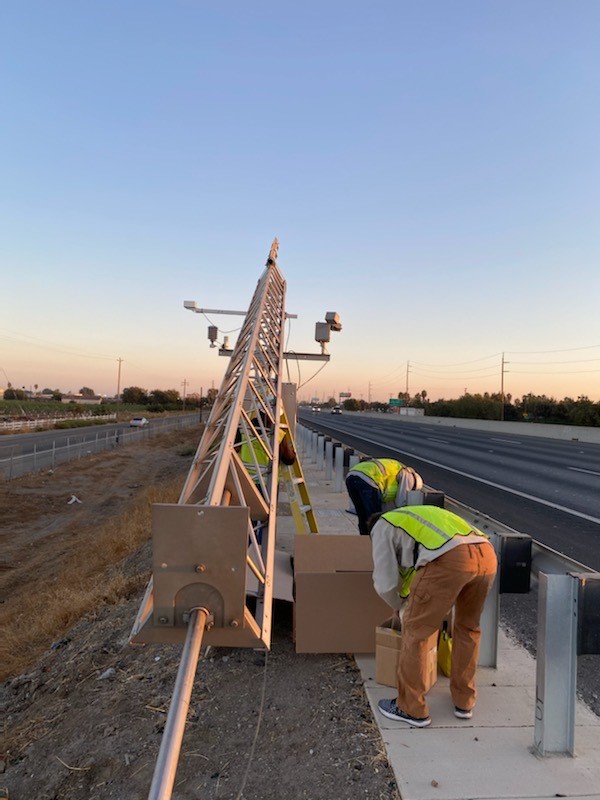
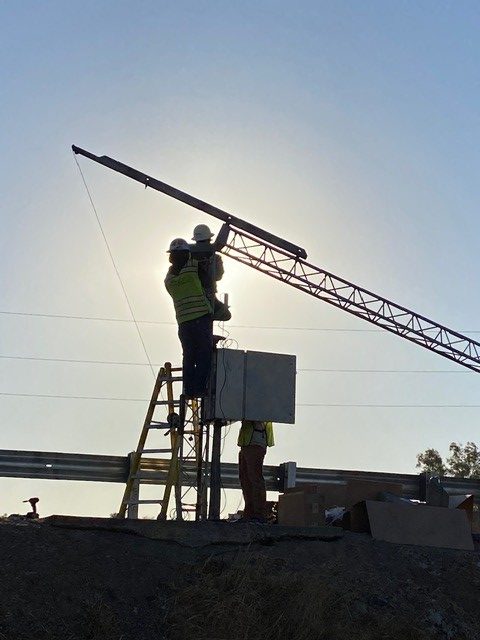
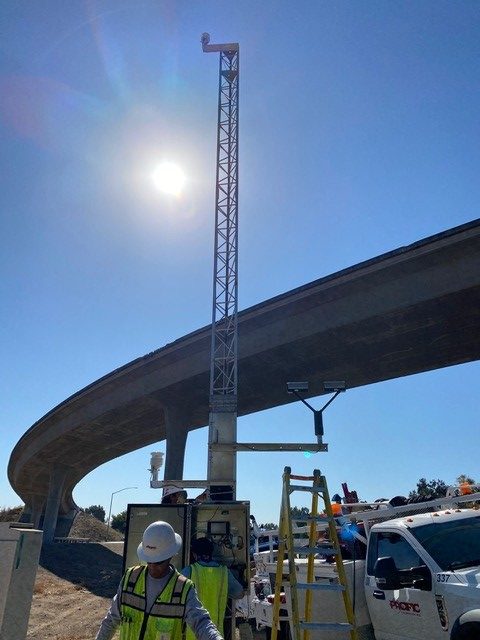
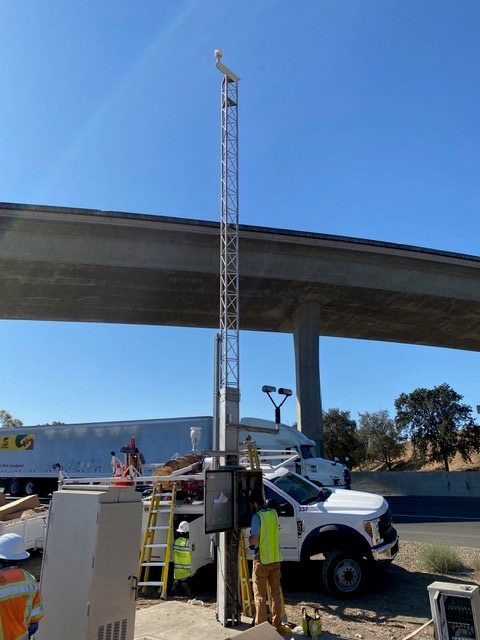
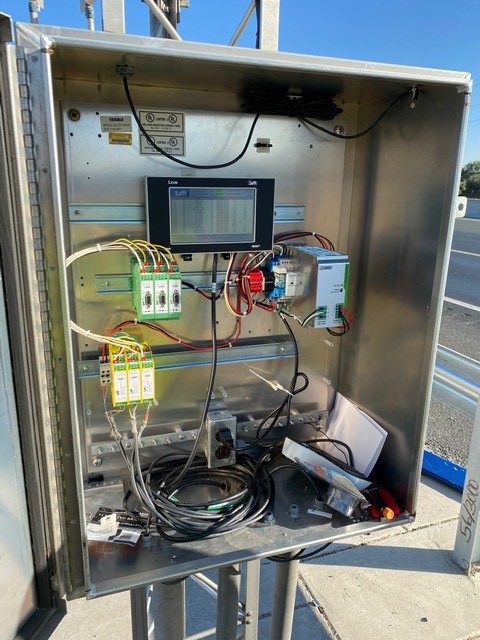
During the installation, OTT HydroMet’s trained staff provided assistance and ensured failure-free setup of sensors and communication accessories.
Want to know more about retrofitting of RWIS stations? Our road weather experts are happy to help you. Take a look on the Road Weather Microlibrary we compiled for you.