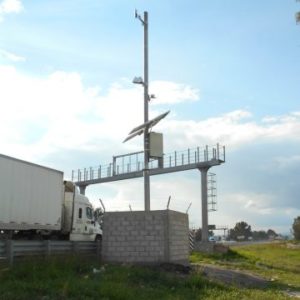
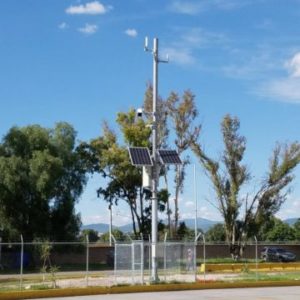
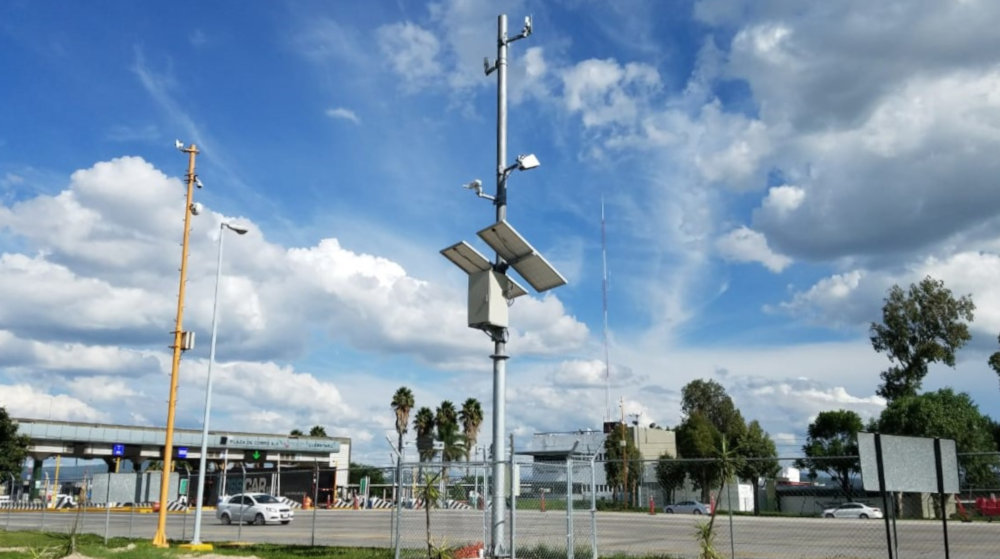
Our Mexican Partner Ingeniería Geofísica y Sistema S.A. de C.V. (IGS) recently won a project of the Communication and Transport Secretary (SCT) as a final client to upgrade and install new Intelligent transportation systems (ITS) along the Federal Bridges and Highways in Querétaro in Mexico. They include eight Automatic Weather Road Weather Information Stations (RWIS) delivering road status, temperatures, friction and others.
Our Mexican Partner Ingeniería Geofísica y Sistema S.A. de C.V. (IGS) recently won a project of the Communication and Transport Secretary (SCT) as a final client to upgrade and install new Intelligent transportation systems (ITS) along the Federal Bridges and Highways in Querétaro in Mexico. They include eight Automatic Weather Road Weather Information Stations (RWIS) delivering road status, temperatures, friction and others.
The stations consist of the:
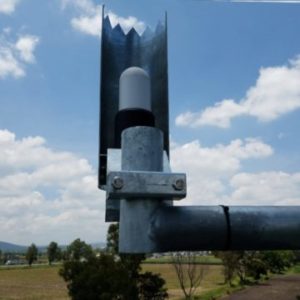
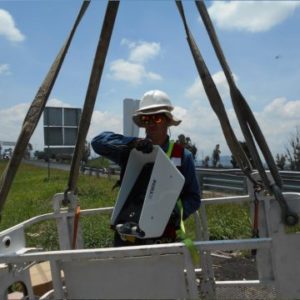
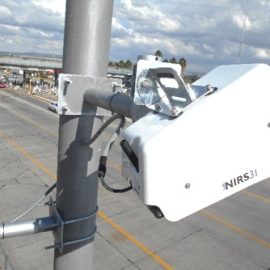
Non-invasive Lufft NIRS31 pavement weather sensor delivering the road conditions dry, damp, wet, snow and ice and measuring the road surface temperature, layer thicknesses of water, snow and ice as well as the friction coefficient
Lufft VS2k visibility sensor detecting visual ranges in up to 2 km
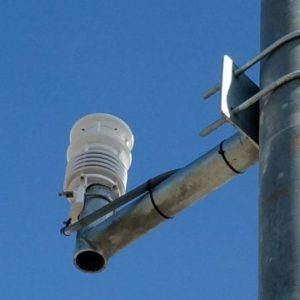
Lufft WS500 multiparameter weather sensor issuing wind speed and direction, atmospheric pressure, air temperature and relative humidity
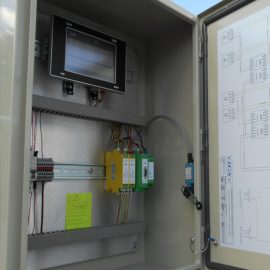
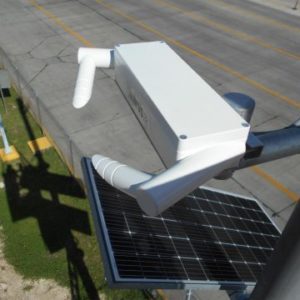
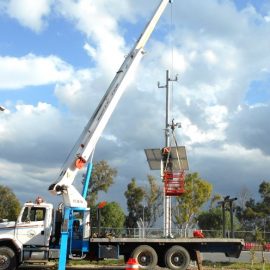
In addition, each of the stations contains a LCOM mini computer, which is responsible for collecting, displaying and transmitting the data in the NTCIP protocol. The required power is supplied by two 245 Watt solar modules, so that it’s independent stand-alone solution.
Lufft R2S. Copyright: IGS Mexico
Lufft LCOM computer in cabinet. Copyright: IGS Mexico
Observing the elements is key to better understanding our planet. This blog tells the manifold stories of experts working in environmental monitoring with help of our sensors and solutions.
Clearer focus. Deeper expertise. Decision ready intelligence.Veralto has introduced its Environmental Business to create a clearer, more customer focused structure across environmental analytics. As part of this evolution, Ott and...
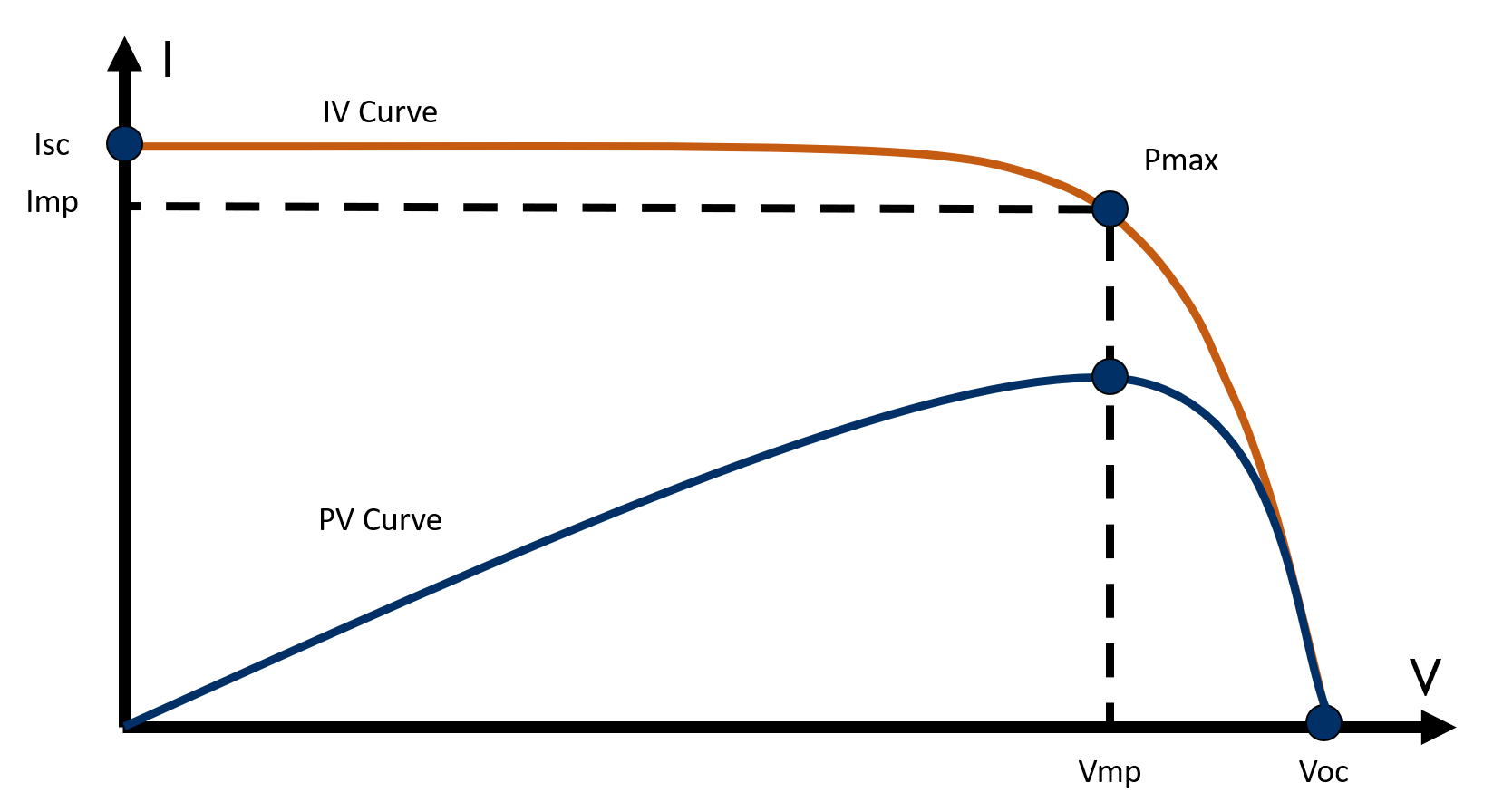
A PV module IV curve is one of the most powerful tools available for understanding how a photovoltaic module actually performs under real‑world conditions. More than a theoretical plot, the IV (current-voltage) curve reveals...
Why Measurement Strategy Matters More Than Ever Executive Summary Soiling is a well‑established cause of energy loss in photovoltaic (PV) systems. Less widely recognized is its impact during capacity and performance...