… how the world’s largest economy could be a pioneer in renewable energy. Thinking of China nowadays, the first thing that comes to mind is a huge empire, followed by the picture of an economic power that has broken various records in recent years. Less known is the fact that China is also a world power in the area of renewable energy now.

Photo-Credit: sellingpix – Fotolia.com
Thinking of China nowadays, the first thing that comes to mind is a huge empire, followed by the picture of an economic power that has broken various records in recent years. No economy in the world has grown so rapidly in the last twenty years, no country has developed industrially and technologically as fast as China. It is not surprising that for all these developments much energy is needed. We can read about huge dam projects in the media, or see pictures of the smog over Beijing caused mainly by massive coal-fired power plants. In addition, China’s state sector is committed anywhere where deposits of gas, oil and other commodities are available to satisfy the enormous “hunger for power” of its economy.
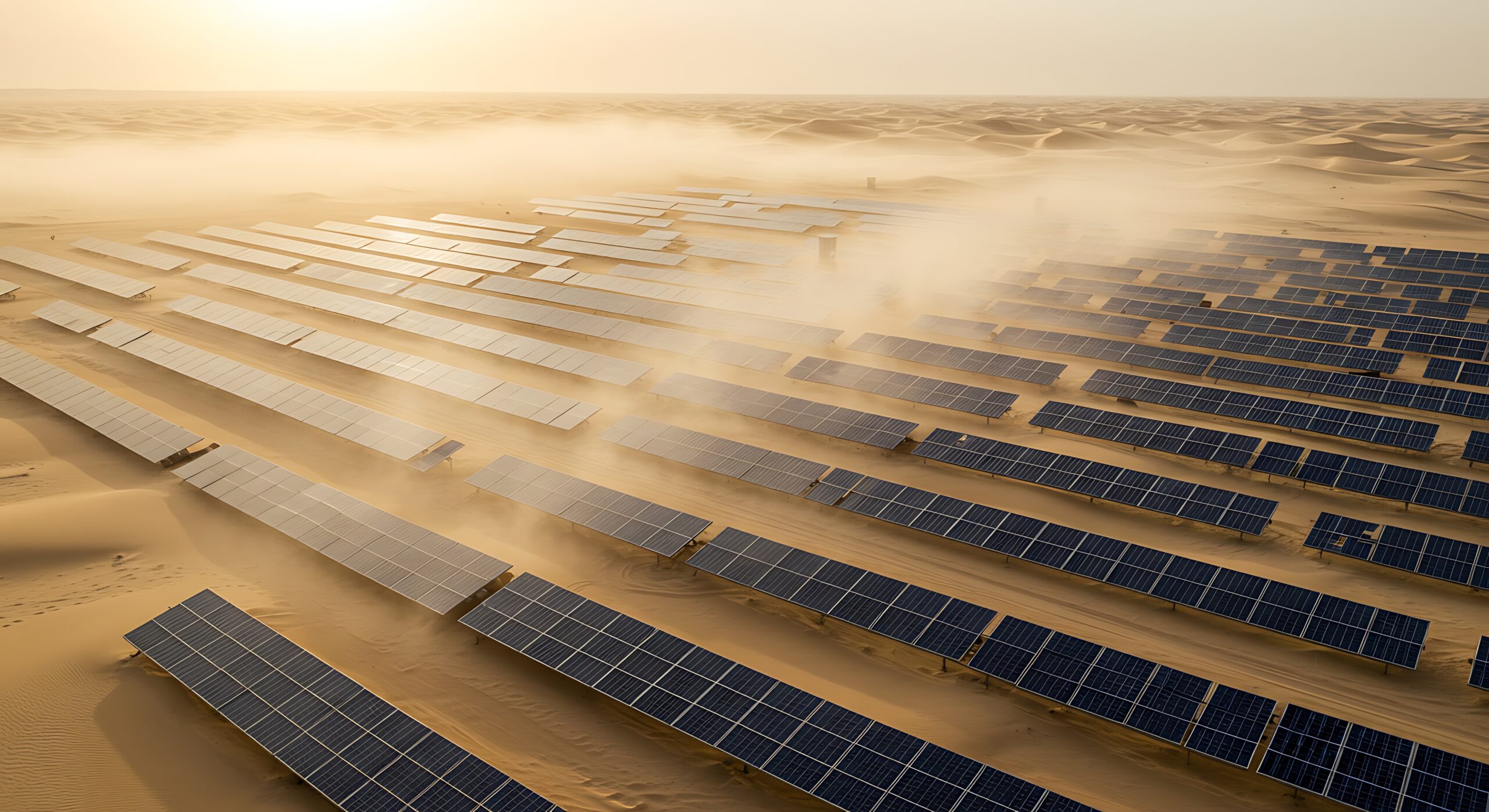
Less known is the fact that China is also a world power in a completely different area now. While the German media talks about the transformation of energy and related investments and subsidies, this development in China takes place largely unnoticed, but not less effective. The country is already one of the strongest supporters of renewable energies. Whether wind power, water power or photovoltaic – China is among the leading nations in all areas. The fact that the empire is subsidizing the use of renewable energy on a large scale contributes to this development. China does not primarily support energy producers, but their customers. Those who purchased electricity from renewable energy sources, receive a refund from the state if the costs were above the market price. In this way the use of electricity from renewable energies stays attractive and helps the producers and consumers at the same time.
Lufft is a part of this development, too. The ultrasonic anemometer Ventus-UMB keeps the instruments of wind turbines free of ice using its heating output. This guarantees that the key metrics can be measured in all weather conditions. In addition, the Lufft compact weather station WS600-UMB has been installed to collect all meteorological environmental conditions to timely point out the danger of icing on smart grids.
Additional links: – To the reference “Ventus-UMB on Windturbines” || – To the reference “WS600-UMB on smart grids”