Your Complete Checklist for Remote Communication

There are many steps to maintain reliable, accurate surface water quantity data across your hydrology network, especially in the face of technology advances, changing regulations, and security updates. And when circumstances make it difficult to get out into the field, or when your team is limited on time or resources, maintaining a network can feel challenging.

Fortunately, remote data collection can be built into your networks to decrease the amount of time and capital necessary to collect the data you need.

Our new checklist outlines key things to consider when setting up remote communication, as well as its advantages, such as:

You might also like these articles

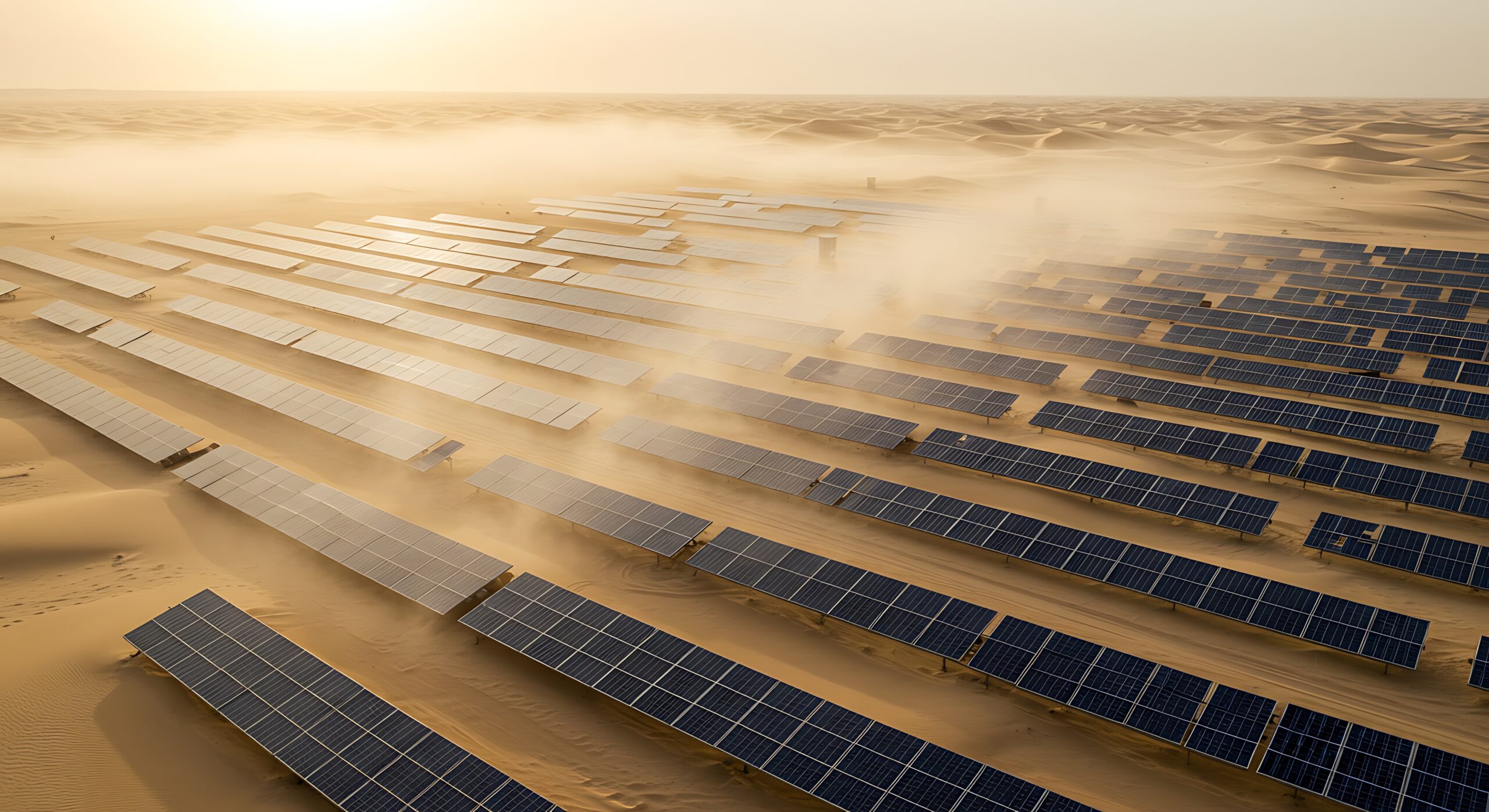
An expansive solar panel array stretches across a desert landscape, with sand dunes shaping the horizon. Hazy sunlight filters through, casting a warm glow over the scene, illustrating the intersection of technology and the environment.

Soiling, Performance Risk, and Capacity Testing in Utility‑Scale Solar

Why Measurement Strategy Matters More Than Ever Executive Summary Soiling is a well‑established cause of energy loss in photovoltaic (PV) systems. Less widely recognized is its impact during capacity and performance...
Solar Energy
Reducing Pyranometer Error

Reducing Pyranometer Error: Why Irradiance Accuracy Starts in Plant Design, Siting & Construction

Accurate irradiance data is the backbone of  solar project performance, bankability, and long-term investor confidence For EPCs, it shapes everything from yield assessments and energy modeling to commissioning acceptance tests and contractual guarantees. But this...
Solar Energy
Bridgestone World Solar Challenge

Harnessing Sun and Wind: Solar Team Twente’s Journey to Second Place

When Solar Team Twente crossed the finish line of the 2025 Bridgestone World Solar Challenge in second place, they didn’t just prove the power of solar energy – they demonstrated...
Solar Energy