The TALPA initiative takes effect in 2020. How mobile runway weather sensors can reduce the risk in takeoff and landing?
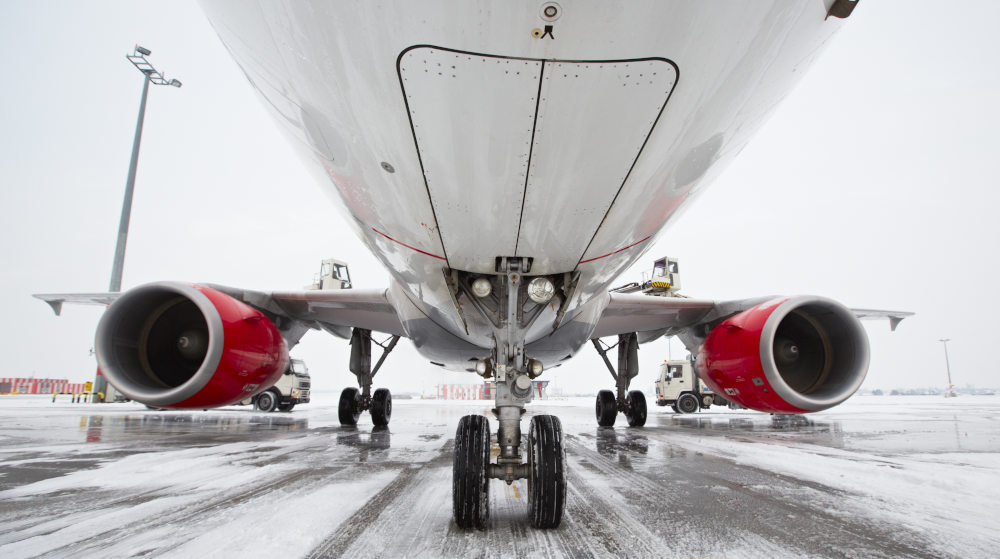
Pilots, air traffic controllers and airport operators do their best to make air travel more secure and efficient. However, flight security also depends on external factors we can hardly influence, especially referring to risky weather conditions: strong winds, freezing temperatures, or heavy precipitation can have serious consequences combined with increasing air transport.
The Takeoff and Landing Performance Assessment (TALPA) initiative takes effect in 2020, with the goal of reducing the risk of runway overruns by providing an accurate methodology to determine non-dry runway conditions for airport operators.
Since 2005, incidents of commercial planes overrunning the runway due to hazardous conditions, such as precipitation, have increased. Fortunately, Mobile Runway Weather Sensors like MARWIS can significantly reduce the risk in takeoff and landing. Curious how?
In our webinar “Efficient TALPA Workflow with Mobile Runway Weather Sensors “ you get to know how the Runway Condition Assessment Matrix is used to determine runway condition codes, how can contaminants be objectively measured with Mobile Runway Weather Sensors and more.
Any questions about the mobile Runway Weather Sensors from Lufft?